Supply Chain Risk Management
Beyond the Brochure: 3 Critical Production Risks Often Overlooked
Why real-world reliability isn’t found in a datasheet, but in the factory’s daily habits.
When you’re flipping through a 20-page battery catalog, everything looks perfect. The renders are glossy, the cycle life promises are high, and the certifications are all checked.
But after auditing dozens of production lines, I’ve realized that the most dangerous risks aren’t found on the datasheet — they are hidden in the factory’s daily habits.
!The Installer’s Reality: Your biggest enemy isn’t a slightly lower efficiency; it’s a service call two years from now that wipes out your project profit.
1) The “Golden Sample” Illusion
Many suppliers send a perfect sample for your initial testing. However, the risk lies in Batch Consistency.
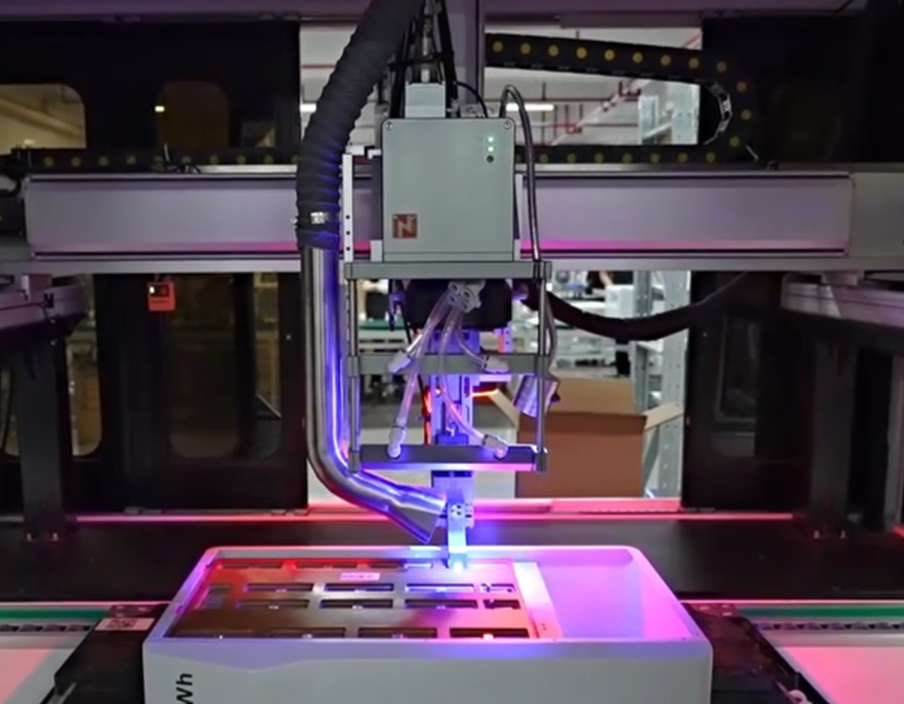
In mass production, if a factory doesn’t calibrate its laser welding machines every shift, the internal resistance of the cells will vary. On paper, they are all “A-grade.” In reality, this inconsistency causes the BMS to work overtime, leading to premature failure. We don’t care about the best battery; we care about the average one.
2) Blind Spots in Thermal Logic
Most brochures brag about operating temperatures. But few explain how the BMS actually handles heat stress.
During our audits, we often find that while the cells are premium, the thermal sensors are poorly placed or the BMS logic is too aggressive — sacrificing long-term health to hit a peak performance number. A battery that works at 45°C today might be “tired” by next summer if internal heat isn’t managed with precision.
3) The Silence on Sub-Supplier Audits
A battery is an assembly of parts: cells, MOS tubes, wires, and plastics. A supplier might use top-tier cells but save cost on cheap, generic internal connectors.
These are the “hidden killers.” If a supplier can’t show an audit trail for these small components, the whole system is a risk.
4) The EnerVerge Approach
At EnerVerge, we believe procurement shouldn’t be based on hope. It should be based on verification.
Our EQA™ framework isn’t about finding the “perfect” factory — it’s about identifying these overlooked risks before the container is sealed.
Conclusion
In this business, “boring” is the highest compliment a product can get. The goal is simple: You install it once, and then you forget it exists.
Stop chasing the lowest price. Start protecting your margins by looking beyond the brochure.